Kunst
Stipple-Porträt
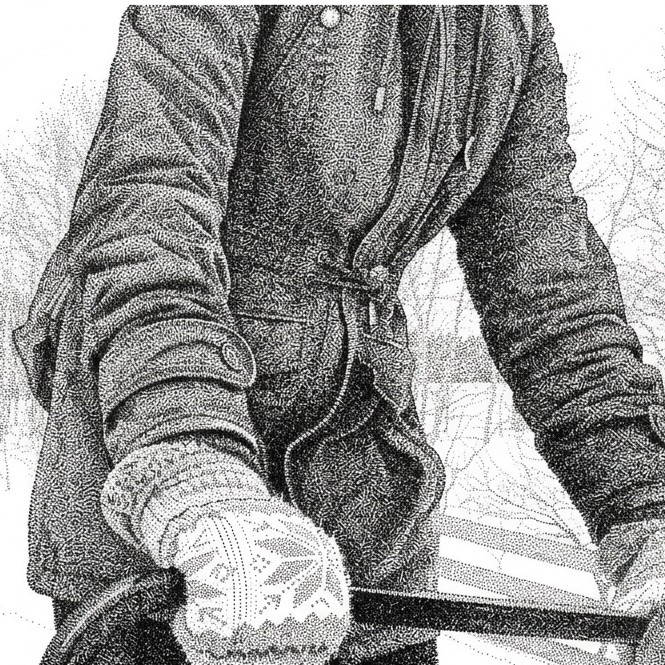
Verwandeln Sie ein Lieblingsfoto in ein fein gepunktetes Stipple-Porträt oder Studienmotiv mit monochromer Textur, dezenter Schattierung und zeitlosem Tintenkunst-Charakter.
Warum Stipple-Porträt wählen?
Stipple-Porträt kommt am stärksten zur Geltung, wenn das Foto ein klares Motiv hat: ein Gesicht, eine Figur, eine Statue, ein Erinnerungsstück, ein Fahrzeug, ein rustikales Gebäude oder ein Wahrzeichen, das durch Tausende winziger Schwarz-Weiß-Punkte formbar ist.
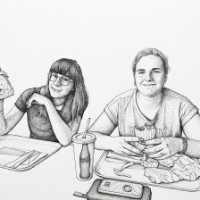
Porträts bleiben persönlich
Menschen und spontane Momente können zu stillen Studien im Stipple-Stil werden, wie zwei Personen beim gemeinsamen Essen mit sanften Gesichtsausdrücken und intimen Tischdetails.
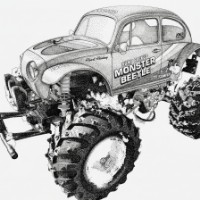
Objekte werden zu Statement-Pieces
Markante Motive mit starken Silhouetten, wie ein umgebauter Monstertruck-Käfer, erhalten eine klare Punktwerk-Textur und eine kühne monochrome Persönlichkeit.
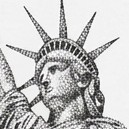
Ikonische Gesichter bekommen Dotwork-Drama
Nahaufnahmen von Statuen, Denkmälern und symbolischen Figuren können zu eindrucksvollen Stipple-Porträts werden, wie das Gesicht und die Krone der Freiheitsstatue, dargestellt in winzigen Punkten.
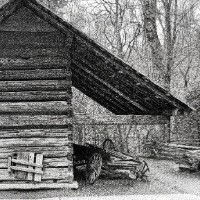
Rustikale Szenen gewinnen an Textur
Verwitterte Schuppen, Wagen, Baumstämme, kahle Bäume und alte Werkzeuge können sich in nostalgische Schwarzweiß-Studien von Motiven mit gealtertem, handgefertigtem Charakter verwandeln.
So erstellen Sie ein Stipple-Porträt
Stipple Portrait funktioniert am besten, wenn das Foto ein einziges starkes Motiv zum Studieren hat: ein Gesicht, eine Figur, ein Haustier, ein Spielzeug, eine Statue, ein Fahrzeug, ein Wahrzeichen oder ein Objekt mit klaren Kanten und sichtbaren Schatten. Statt glatter Schattierung wird das Bild visuell durch Punktwerk-Textur aufgebaut, sodass die hellen Bereiche luftig bleiben, während sich die dunkleren Bereiche zu dichten Clustern aus schwarzen Markierungen sammeln.
Für einen echten Porträteindruck wähle ein nahes Foto, auf dem die Person, das Haustier, die Statue oder das Andenken den Bildausschnitt ausfüllt. Für eine stärker illustrative Motivstudie wähle ein Wahrzeichen, Gebäude, Fahrzeug oder eine rustikale Szene mit kräftigen Formen und interessanten Oberflächen. Guter Kontrast ist hier wichtig: Fäustlinge, Fahrradlenker, Teddybärfell, steinerne Gesichter, Holzmaserung, Reifen und architektonische Kanten geben der Stipple-Textur etwas, das sie beschreiben kann.
Wähle ein klares Motiv
Wähle ein Porträt, Haustier, eine Statue, ein Andenken, Wahrzeichen, Fahrzeug oder Objekt mit gut lesbaren Kanten, sichtbarer Textur und genügend Kontrast für die Punkt-Schattierung.
Erstelle das Stipple-Kunstwerk
Verwende Stipple Portrait, um das Foto in Schwarzweiß-Punktkunst mit feiner Textur, zarten Schatten und einem handgezeichneten Tintenlook zu verwandeln.
Lade dein Porträt herunter
Verwende das fertige Bild für Drucke, gerahmte Geschenke, Erinnerungsstücke, Profilbilder, Journale, Karten oder eine klassische monochrome Kunstsammlung.
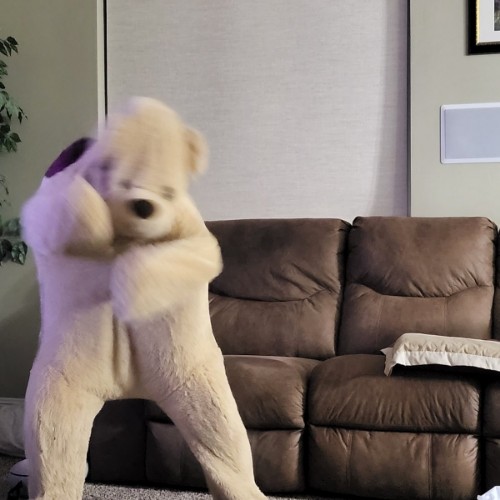
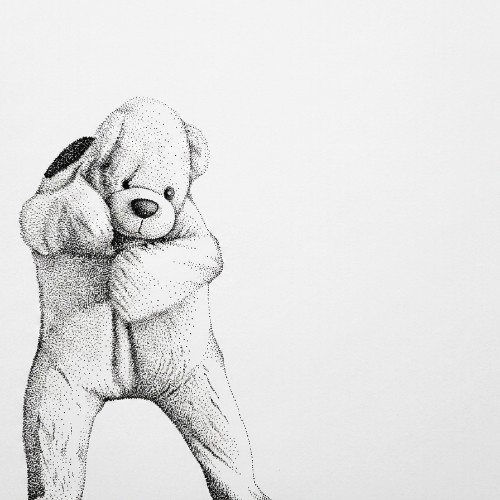
Stipple-Porträt-Beispiele
Diese Beispiele zeigen die Bandbreite des Stils: eine winzige Figur unter dem Delicate Arch, eine Raumfahrtfacade und das Granitgesicht von Half Dome werden zu schwarz-weißem Stipple-Studienmotiv.
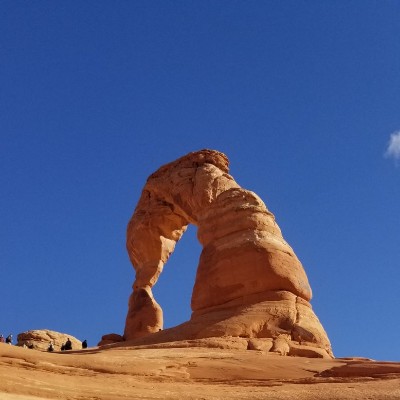
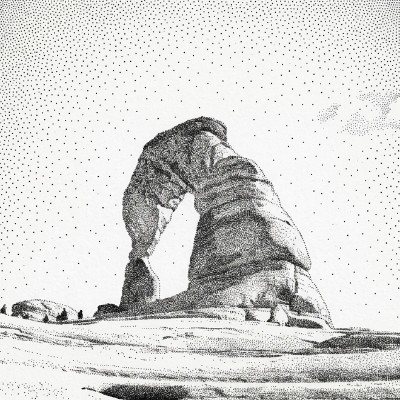
Figur unter dem Delicate Arch
Eine Person unter dem massiven Wüstenbogen wird zu einer markanten monochromen Studie von Maßstab, Gestik, offener Landschaft und gepunkteter Schwarzweiß-Textur.

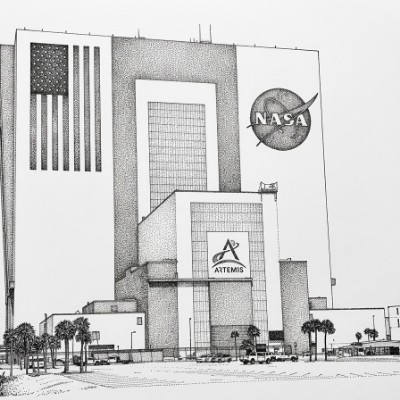
Weltraumeinrichtung in Dotwork
Ein NASA-Gebäude mit Flagge, Fassade, Logo, Palmen und Startplatz-Architektur wird zu einer detaillierten architektonischen Zeichnung im Stipple-Stil.
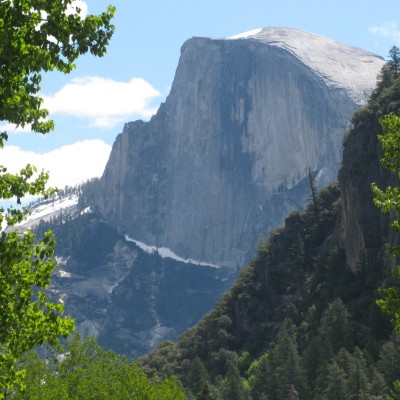
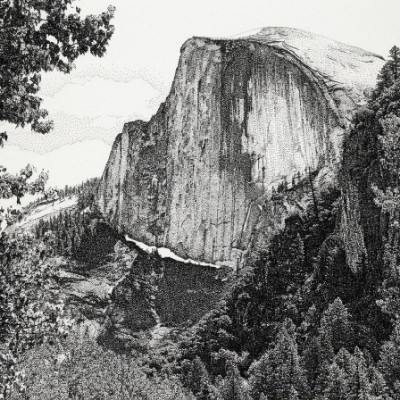
Half-Dome-Landschaftsstudie
Die Granitwand und der umliegende Wald werden zu einer dramatischen Schwarzweiß-Studie eines Berges mit strukturierten Schatten und rauem natürlichem Kontrast.
Stipple-Porträt Fragen
Warum heißt es Stipple-Porträt?
Der Stil richtet sich zuerst am Porträt aus: Er funktioniert besonders gut für Menschen, Haustiere, Statuen, Erinnerungsstücke und andere klare Motive, die als fokussierte Dotwork-Studie wiedergegeben werden können. Er kann auch für Wahrzeichen, Fahrzeuge und Objekte funktionieren, wenn sie eine starke Silhouette haben.
Was ist Stipple-Kunst?
Stipple-Kunst verwendet viele kleine Punkte, um Schattierung, Textur und Tiefe zu erzeugen. Dichtere Punktbereiche wirken dunkler, während hellere Bereiche weniger Markierungen verwenden, was dem fertigen Bild ein klassisches Schwarz-Weiß-Tintenkunst-Gefühl verleiht.
Welche Fotos eignen sich am besten für ein Stipple-Porträt?
Wählen Sie ein klares Foto mit einem Hauptmotiv, sichtbaren Schatten und gutem Kontrast. Gesichter, Haustiere, Statuen, Spielzeuge, Fahrzeuge, texturierte Kleidung, alte Gebäude und Wahrzeichen mit starken Kanten funktionieren in der Regel besser als flache oder unscharfe Bilder.
Wie unterscheidet sich Stipple-Porträt von Bleistift-Skizze?
Bleistift-Skizze verwendet weichere Graphit-Schattierung und Linienführung. Stipple-Porträt basiert stärker auf Punkten, hat höheren Kontrast und einen Tintengehalt, wobei Textur aus winzigen Markierungen statt aus gleichmäßigen Bleistift-Tönen aufgebaut wird.
Kann ich das fertige Stipple-Porträt drucken?
Ja. Der monochrome Dotwork-Stil eignet sich gut für persönliche Drucke, eingerahmte Geschenke, Erinnerungsstücke, Karten, Journale und Schwarz-Weiß-Kunstkollektionen.
Kann ich ein Stipple-Porträt colorieren?
Ja, aber es verhält sich anders als eine Ausmal-Seite. Der Dot-Shading trägt bereits Ton und Textur, sodass farbige Buntstifte, Aquarell, Marker oder digitale Farbe leicht über das Bild gelegt werden können, um einen handgesättigten Effekt zu erzielen.