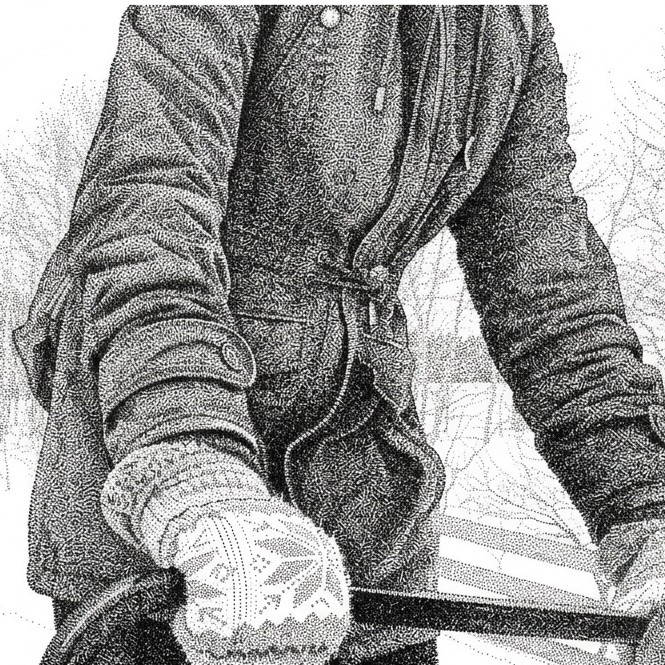
Arte
Ritratto a puntini
Trasforma una foto preferita in un ritratto puntinato o in uno studio soggetto finemente punteggiato con texture monocrome, ombreggiature sottili e carattere dell’arte a inchiostro senza tempo.
Perché Scegliere il Ritratto Puntinato?
Il Ritratto Puntinato è più forte quando la foto ha un soggetto chiaro: una faccia, una figura, una statua, un ricordo, un veicolo, un edificio rustico o un luogo d’interesse che possa essere modellato attraverso migliaia di piccoli puntini bianco-neri.
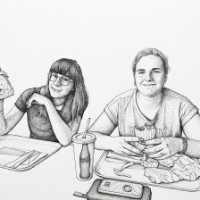
I ritratti restano personali
Le persone e i momenti spontanei possono diventare studi tranquilli in stile puntinato, come due persone che condividono un pasto con espressioni morbide e dettagli intimi del tavolo.
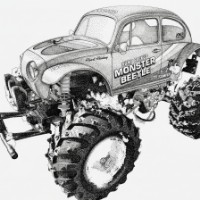
Gli oggetti diventano pezzi d’effetto
Soggetti distintivi con silhouette marcate, come un Maggiolino modificato in stile monster truck, acquisiscono una nitida texture a puntinato e una personalità monocromatica decisa.
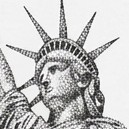
I volti iconici acquistano drammaticità puntinata
Primi piani di statue, monumenti e figure simboliche possono trasformarsi in ritratti puntinati d’impatto, come il volto e la corona della Statua della Libertà resi in minuscoli punti.
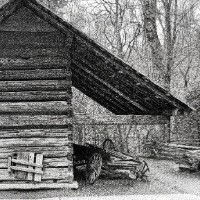
Le scene rustiche acquisiscono texture
Capanni invecchiati, carri, tronchi, alberi spogli e vecchi utensili possono trasformarsi in studi nostalgici in bianco e nero con carattere vissuto e artigianale.
Come Creare un Ritratto Puntinato
Stipple Portrait funziona al meglio quando la foto ha un elemento forte da studiare: un volto, una figura, un animale domestico, un giocattolo, una statua, un veicolo, un punto di riferimento o un oggetto con contorni chiari e ombre visibili. Invece di una sfumatura liscia, l’immagine viene costruita visivamente attorno a una texture a puntinato, così le aree illuminate restano ariose mentre le zone più scure si raccolgono in densi gruppi di segni neri.
Per un vero effetto ritratto, scegli una foto ravvicinata in cui la persona, l’animale domestico, la statua o il ricordo occupi tutto l’inquadratura. Per uno studio più illustrativo del soggetto, scegli un punto di riferimento, un edificio, un veicolo o una scena rustica con forme marcate e superfici interessanti. Qui il contrasto conta molto: guanti, manubri di bicicletta, pelliccia di orsacchiotto, volti di pietra, venature del legno, pneumatici e bordi architettonici offrono alla texture puntinata qualcosa da descrivere.
Scegli un soggetto chiaro
Scegli un ritratto, un animale domestico, una statua, un ricordo, un punto di riferimento, un veicolo o un oggetto con bordi leggibili, texture visibile e contrasto sufficiente per la sfumatura a punti.
Crea l’opera stipple
Usa Stipple Portrait per trasformare la foto in un’opera in bianco e nero a puntinato, con texture fine, ombre delicate e un effetto come disegnato a mano.
Scarica il tuo ritratto
Usa l’immagine finita per stampe, regali incorniciati, ricordi commemorativi, immagini del profilo, journal, biglietti o una classica collezione d’arte monocromatica.
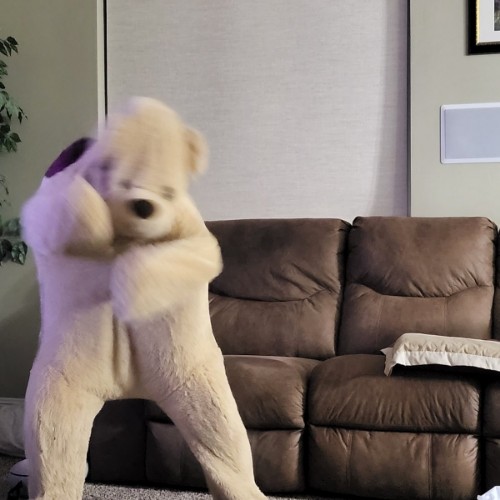
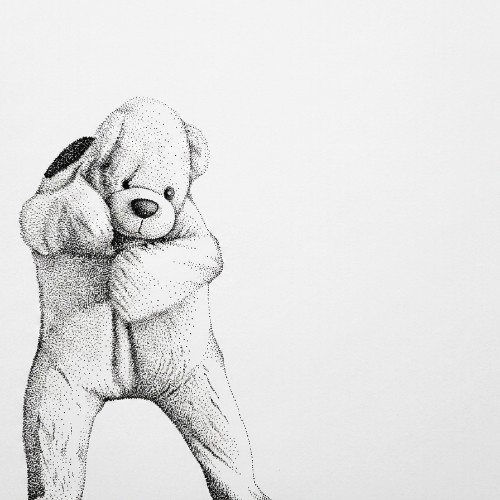
Esempi di Ritratto Puntinato
Questi esempi mostrano la gamma dello stile: una figura minuscola sotto l’Arco Delicato, una facciata di un facility spaziale e il volto in granito di Half Dome diventano studi soggetto in stile puntinato in bianco e nero.
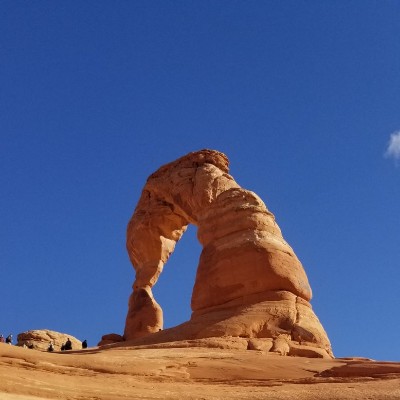
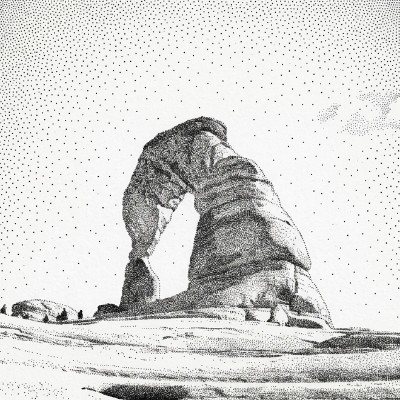
Figura sotto Delicate Arch
Una persona sotto l’immenso arco del deserto diventa uno studio monocromatico netto di scala, gesto, paesaggio aperto e texture nera e bianca a puntini.
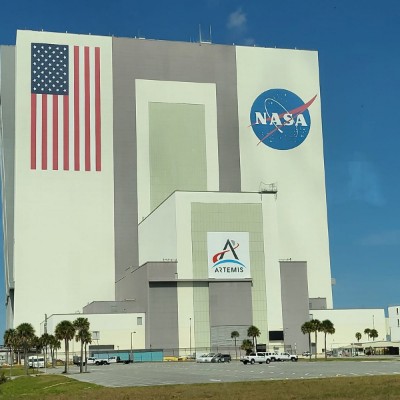
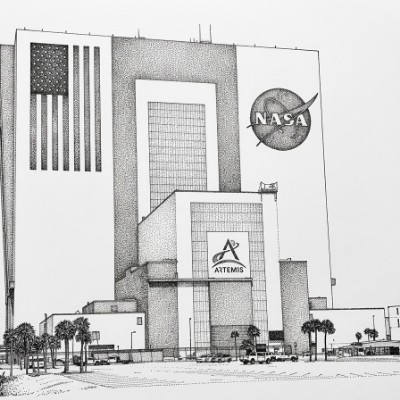
Struttura spaziale in puntinato
Un edificio della NASA con bandiera, facciata, logo, palme e architettura del sito di lancio diventa un disegno architettonico dettagliato in stile stipple.
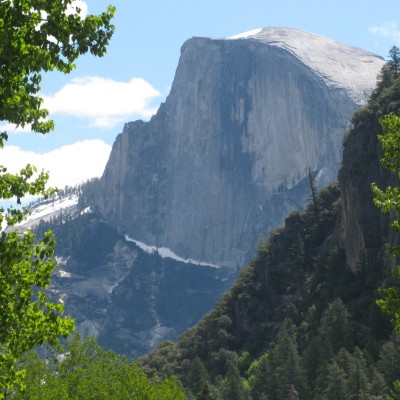
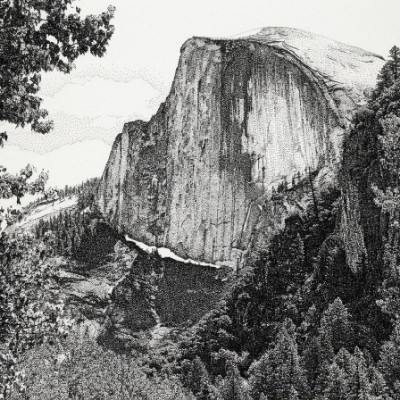
Studio paesaggistico di Half Dome
La parete di granito e la foresta circostante diventano uno studio drammatico in bianco e nero della montagna, con ombre materiche e un contrasto naturale aspro.
Domande sul Ritratto Puntinato
Perché si chiama Stipple Portrait?
Lo stile è incentrato sul ritratto: funziona particolarmente bene per persone, animali domestici, statue, ricordi e altri soggetti chiari che possono essere resi come uno studio a puntini focalizzato. Può funzionare anche per punti di riferimento, veicoli e oggetti quando hanno una silhouette forte.
Che cos'è l'arte a puntini?
L'arte a puntini utilizza molti piccoli puntini per creare ombreggiature, texture e profondità. Le aree di puntini densi appaiono più scure, mentre le aree più chiare usano menos marchi, conferendo all'immagine finita un classico aspetto inchiostro in bianco e nero.
Quali foto funzionano meglio per una stipple portrait?
Scegli una foto chiara con un soggetto principale, ombre visibili e buon contrasto. Volti, animali, statue, giocattoli, veicoli, tessuti con texture, vecchi edifici e punti di riferimento con bordi forti funzionano di solito meglio di immagini piatte o sfocate.
In che modo Stipple Portrait è diverso da Pencil Sketch?
Pencil Sketch usa sfumature e tratteggi in grafite più morbidi. Stipple Portrait è più basato sui puntini, con maggiore contrasto e aspetto simile all'inchiostro, con texture costruita da piccoli segni anziché tonalità di matita fluide.
Posso stampare lo stipple portrait finito?
Sì. Lo stile monocromatico a puntini è adatto a stampe personali, regali incorniciati, ricordi, biglietti, diari e collezioni d'arte in bianco e nero.
Posso colorare uno stipple portrait?
Sì, ma si comporta in modo diverso rispetto a una pagina da colorare. La tonalità e la texture dei puntini già portano tono e texture, quindi una matita colorata, acquerello, marcatori o colore digitale possono essere sovrapposti leggermente all'immagine per un effetto hand-tinted.