Free printable activity sheet
Turn your photos into sheets like this!
Upload any photo and apply our Coloring Book style to generate a custom printable sheet of your own.
Create My OwnThe Desert Tortoise
Meet a slow-moving desert survivor with a sturdy shell, strong digging legs, and clever ways to save water.
About
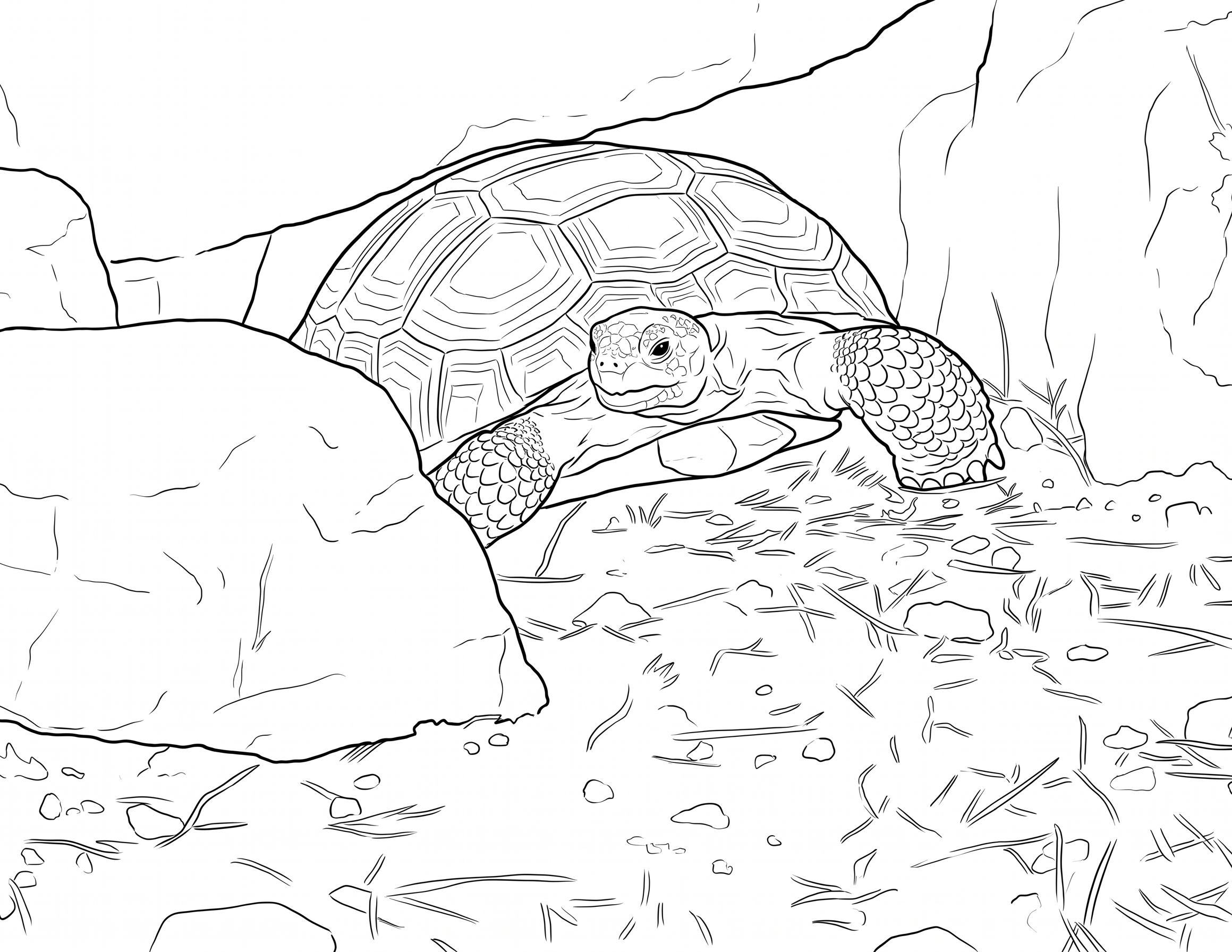
The desert tortoise is a land-dwelling reptile that lives in dry desert habitats of the southwestern United States and northern Mexico. Its high, dome-shaped shell helps protect its body, while its strong front legs are built for digging burrows in sandy or rocky soil.
Burrows are very important for desert tortoises. They provide shade during hot days, shelter during cold weather, and a safe place to rest when the desert is dry. A tortoise may spend much of its life underground, coming out when temperatures and moisture are just right.
Desert tortoises eat many kinds of desert plants, including grasses, wildflowers, cactus pads, and other leafy plants. They can store water in their bodies and survive long dry stretches, but they still depend on healthy desert habitat. People can help by observing tortoises from a distance, keeping roads and trails safe, and never moving a wild tortoise unless it is in immediate danger.
History & Culture
Desert tortoises have lived in North American desert landscapes for thousands of years, sharing habitat with plants and animals adapted to heat, drought, and seasonal rain. Their burrows can also help other desert creatures find shelter.
Today, desert tortoises are protected in many places because habitat loss, roads, disease, and human disturbance can make survival harder. Conservation work focuses on protecting desert habitat, reducing vehicle impacts, and teaching visitors how to respect wildlife.
Fun Facts
Desert tortoises dig burrows that help them escape extreme desert heat and cold.
A desert tortoise can go a long time without drinking by saving water from the plants it eats.
Their sturdy front legs are shaped for digging, almost like built-in shovels.
A wild desert tortoise should usually be watched from a distance so it can stay calm and safe.
A Thought to Carry With You
"Slow, steady care can protect even the toughest desert travelers."
Activities & Discussion
- 1
Color the Desert
Use warm desert colors for the sand, rocks, and plants. Add soft browns, tans, or olive greens to the tortoise shell so it blends into its habitat.
- 2
Burrow Blueprint
Draw a side-view burrow beside your tortoise. Label where the tortoise rests, where shade helps, and how the burrow protects it from hot sun.
- 3
Respect Wildlife Sign
Design a small desert trail sign that reminds visitors to watch tortoises from a distance, stay on paths, and protect desert homes.