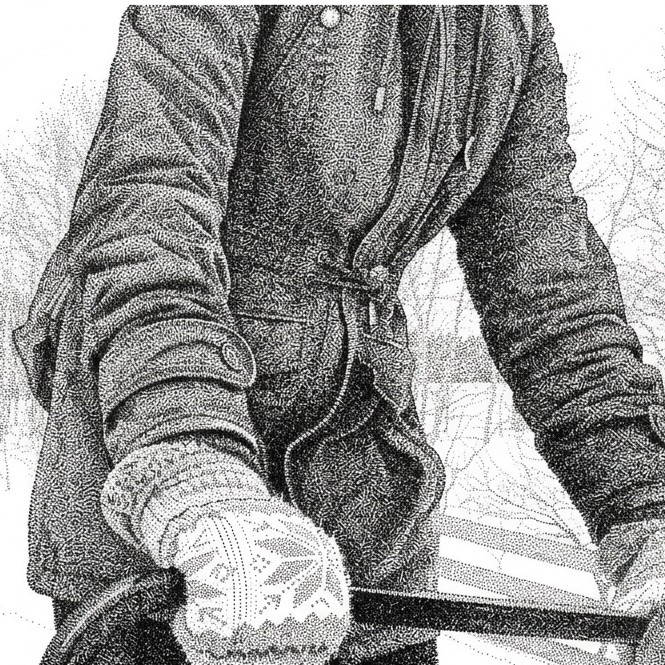
Art
Stipple Portrait
Transform a favorite photo into a finely dotted stipple portrait or subject study with monochrome texture, subtle shading, and timeless ink-art character.
Why Choose Stipple Portrait?
Stipple Portrait is strongest when a photo has a clear subject: a face, figure, statue, keepsake, vehicle, rustic building, or landmark that can be shaped through thousands of tiny black-and-white dots.

Portraits Stay Personal
People and candid moments can become quiet stipple-style studies, like two people sharing a meal with soft expressions and intimate table detail.
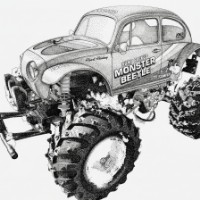
Objects Become Statement Pieces
Distinctive subjects with strong silhouettes, such as a modified monster-truck Beetle, gain crisp dotwork texture and bold monochrome personality.
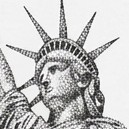
Iconic Faces Get Dotwork Drama
Close-up statues, memorials, and symbolic figures can become striking stipple portraits, like the Statue of Liberty face and crown rendered in tiny dots.
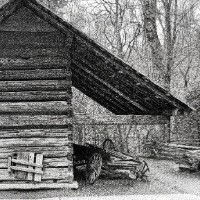
Rustic Scenes Gain Texture
Weathered sheds, wagons, logs, bare trees, and old tools can turn into nostalgic black-and-white subject studies with aged, handcrafted character.
How to Create a Stipple Portrait
Stipple Portrait works best when the photo has one strong thing to study: a face, figure, pet, toy, statue, vehicle, landmark, or object with clear edges and visible shadows. Instead of smooth shading, the image is built visually around dotwork texture, so highlights stay airy while darker areas gather into dense clusters of black marks.
For a true portrait feel, choose a close photo where the person, pet, statue, or keepsake fills the frame. For a more illustrative subject study, choose a landmark, building, vehicle, or rustic scene with bold shapes and interesting surfaces. Good contrast matters here: mittens, bicycle handlebars, teddy bear fur, stone faces, wood grain, tires, and architectural edges all give the stipple texture something to describe.
Choose a clear subject
Pick a portrait, pet, statue, keepsake, landmark, vehicle, or object with readable edges, visible texture, and enough contrast for dot shading.
Create the stipple artwork
Use Stipple Portrait to turn the photo into black-and-white dotwork art with fine texture, delicate shadows, and a hand-inked feel.
Download your portrait
Use the finished image for prints, framed gifts, memorial keepsakes, profile art, journals, cards, or a classic monochrome art collection.
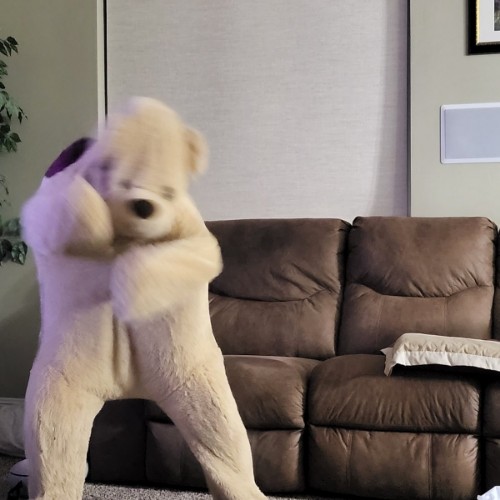
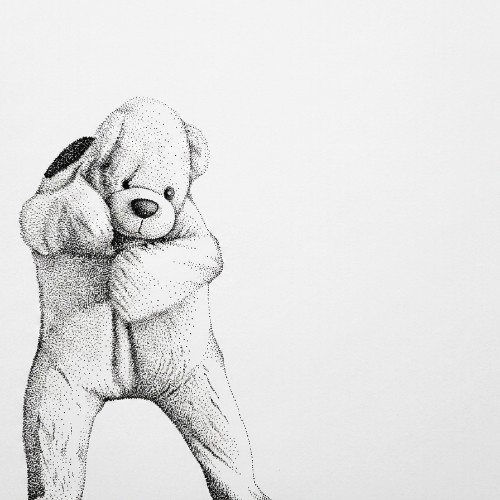
Stipple Portrait Examples
These examples show the range of the style: a tiny figure beneath Delicate Arch, a space facility facade, and the granite face of Half Dome all become black-and-white stipple-inspired subject studies.
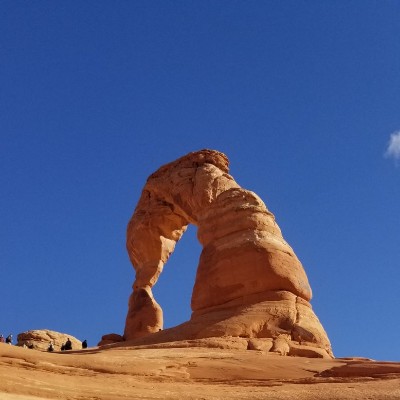
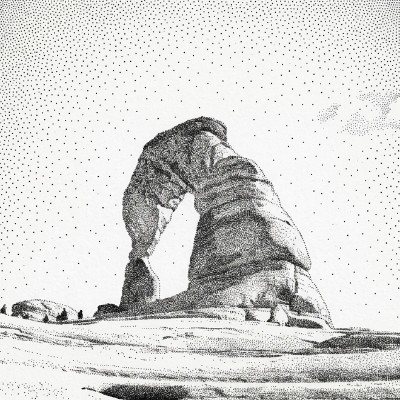
Figure Beneath Delicate Arch
A person under the massive desert arch becomes a stark monochrome study of scale, gesture, open landscape, and dotted black-and-white texture.

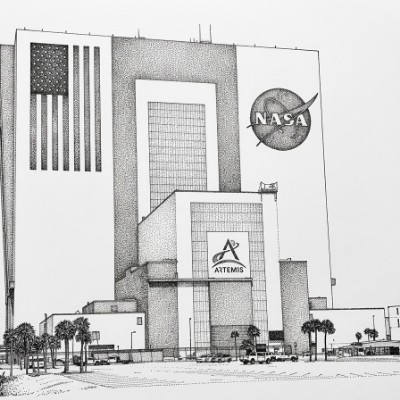
Space Facility in Dotwork
A NASA building with flag, facade, logo, palm trees, and launch-site architecture becomes a detailed stipple-style architectural drawing.
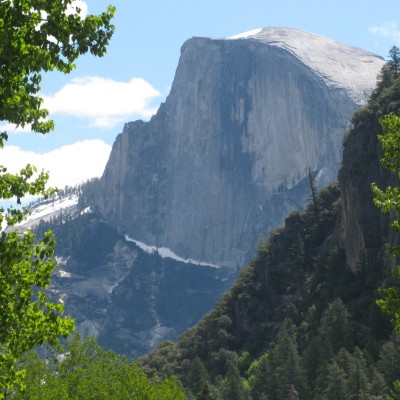
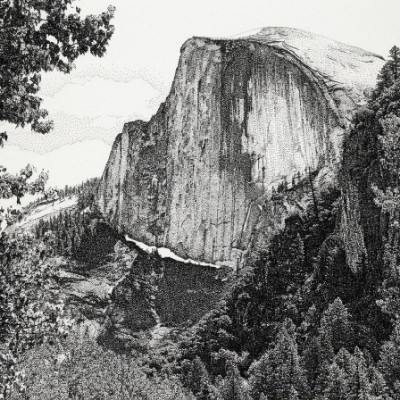
Half Dome Landscape Study
The granite face and surrounding forest become a dramatic black-and-white mountain study with textured shadows and rugged natural contrast.
Stipple Portrait Questions
Why is it called Stipple Portrait?
The style is portrait-first: it works especially well for people, pets, statues, keepsakes, and other clear subjects that can be rendered as a focused dotwork study. It can also work for landmarks, vehicles, and objects when they have a strong silhouette.
What is stipple art?
Stipple art uses many small dots to create shading, texture, and depth. Dense dot areas look darker, while lighter areas use fewer marks, giving the finished image a classic black-and-white ink-art feel.
What photos work best for a stipple portrait?
Choose a clear photo with one main subject, visible shadows, and good contrast. Faces, pets, statues, toys, vehicles, textured clothing, old buildings, and landmarks with strong edges usually work better than flat or blurry images.
How is Stipple Portrait different from Pencil Sketch?
Pencil Sketch uses softer graphite-style shading and linework. Stipple Portrait is more dot-based, higher contrast, and ink-like, with texture built from tiny marks rather than smooth pencil tones.
Can I print the finished stipple portrait?
Yes. The monochrome dotwork style is well suited for personal prints, framed gifts, keepsakes, cards, journals, and black-and-white art collections.
Can I color a stipple portrait?
Yes, but it behaves differently than a coloring page. The dot shading already carries tone and texture, so colored pencils, watercolor, markers, or digital color can be layered lightly over the image for a hand-tinted effect.