Free printable activity sheet
Turn your photos into sheets like this!
Upload any photo and apply our Coloring Book style to generate a custom printable sheet of your own.
Create My OwnAfrican Elephant Coloring Page
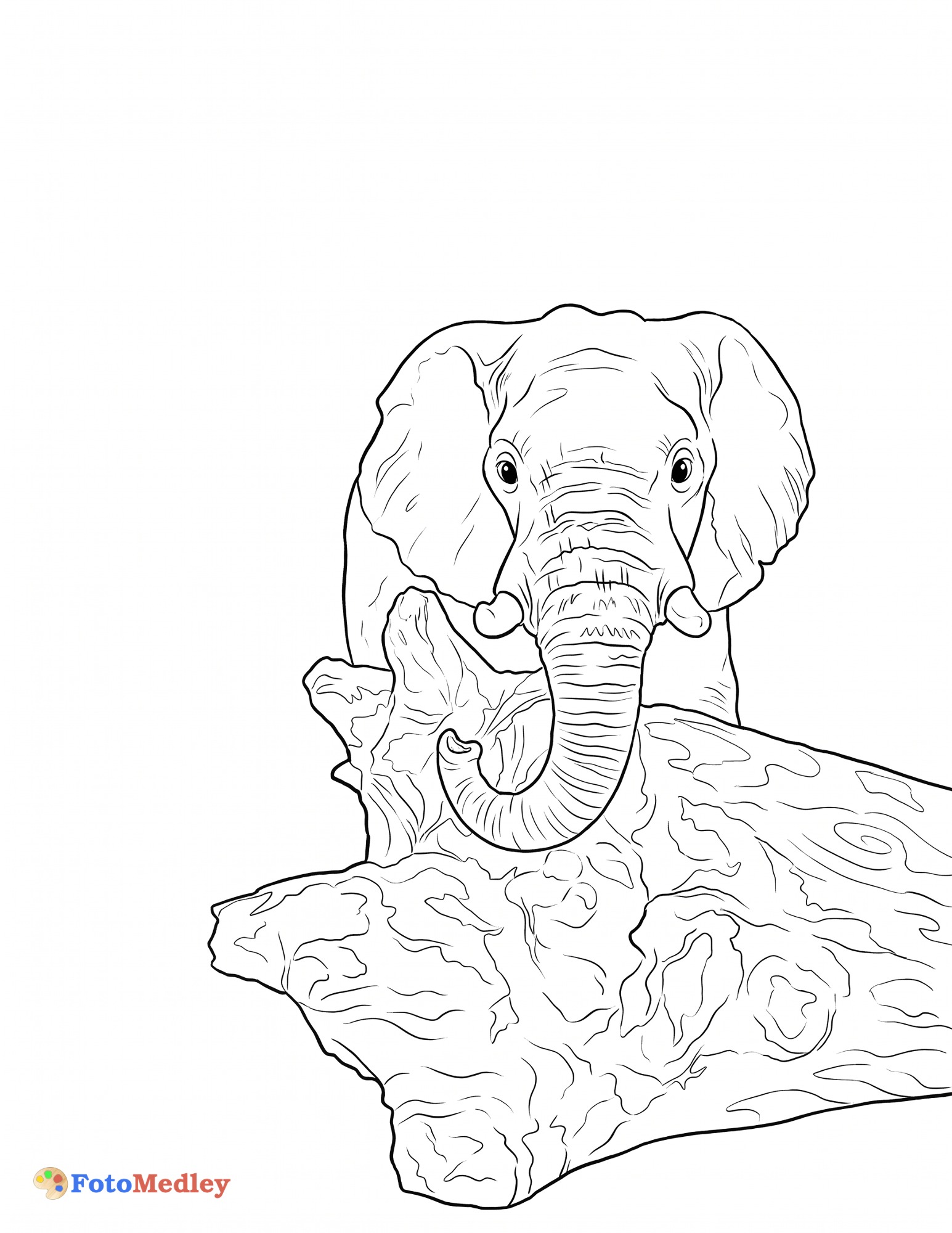
Color a young African elephant with wide ears, a curling trunk, textured skin, and a savanna setting.
About
African elephants are the largest land animals on Earth. They are known for huge ears, long trunks, tusks, thick gray skin, and strong family bonds. Their wrinkled skin can hold dust and mud, which helps protect them from sun and insects.
An elephant's trunk is both nose and tool. It can smell, breathe, drink, pick up food, splash water, and gently touch other elephants. Large ears help African elephants release heat in warm habitats.
This coloring page invites kids to notice elephant shapes, wrinkles, ears, trunk, feet, tail, and the plants of grassland or woodland habitats. The rocky perch and big open space can become a savanna scene with trees, dust, clouds, or a watering hole.
History & Culture
Elephants have shaped African landscapes for thousands of years by spreading seeds, opening paths, and changing vegetation as they feed. Their movements can help create space for other plants and animals.
Conservation work helps protect elephants from habitat loss, conflict, and poaching. Learning about elephants is also a way to understand family groups, memory, communication, and the importance of large connected habitats.
Fun Facts
African elephants are the largest living land animals.
An elephant's trunk has many muscles and can be very gentle.
Large ears help African elephants cool down.
Elephants live in social family groups and communicate in many ways.
A Thought to Carry With You
"Great strength can also be gentle, patient, and caring."
Activities & Discussion
- 1
Color the Elephant
Use grays, browns, and soft shadows to color the skin wrinkles, ears, trunk, feet, and tail.
- 2
Savanna Scene
Add grasses, acacia trees, dust, clouds, birds, or a watering hole around the elephant.
- 3
Feature Labels
Label the trunk, ears, feet, tail, skin wrinkles, and tusks if shown, then write one note about how each part helps.